Deepwells Chemical Technologies
We provide an advanced portfolio of chemical solutions and innovative technologies specifically engineered for Improved Oil Recovery (IOR) and the highly effective stimulation of oil and gas production. Our tailored treatments and reservoir stimulation techniques are designed to overcome complex downhole challenges, mitigate formation damage, and significantly enhance hydrocarbon mobility. By integrating these specialized, field-proven technologies into your operations, we help maximize well performance, extend the productive lifespan of mature assets, and drive optimal yield from every reservoir.
Non-damaging Killing of Wells
It is impossible to perform high quality repair and maintenance works in wells without killing of the wells. Multiple well killing with aqueous fluid affects negatively the reservoir properties of formation pay zone. To preserve reservoir properties some modifying additives are added to the brines, which provide brine compatibility with formation fluids, reduce oil-water interfacial tension and change rock wettability, reduce the residual water saturation of reservoir and increase relative oil permeability ratio.
Well killing, even within the same area, requires an individual approach to the selection of killing fluid parameters. The use of specialized solid-free killing fluids can reduce significantly the period of bringing of wells to stable production after repair and maintenance operations, as well as increase significantly oil flow rates.
In some cases, compatibility of killing fluids and formation fluids can only be achieved with the application of calcium-free killing fluids.
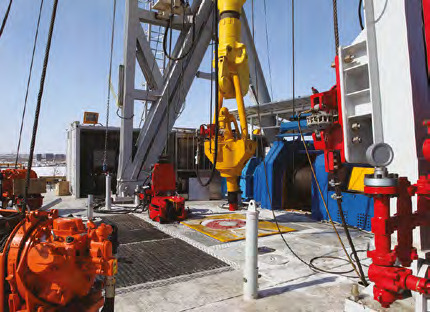

Chemicals and technologies for non-damaging killing of wells
Fracturing Fluids, Well Completion after Drilling And Well
Stimulation after Hydro-fracturing
Major prospects for oil production increase in the fields are associated with the involvement of low permeability heterogeneous reservoirs into the active development as well as with a more complete oil recovery in the old fields with hard-to-recover reserves.
One of the most widely used advanced recovery and stimulation methods is hydraulic fracturing of formation (hydrofrac). Thereby to provide hydrofrac fluid with the required proppant carrying properties and to create high enough hydraulic pressure some guar-based gelling agents or other polysaccharide polymers are conventionallyused. Quite high residual content of the latter in proppant pack after hydrofrac decreases dramatically the efficiency of the treatment. Proposed by Polyex variants of solving of this problem are based both on the chemicals which allow to remove the guar gel residuals and on the gelling chemicals which do not contain any solid polymer phase.
The process of oil and gas well completion after drilling is the final stage of well construction and it affects to much extent the achieving of designed well yields. Elimination of negative affect of drilling mud on to the pa zone permeability as well as preparing of the perforation media which are non-damaging for formation allow to improve sufficiently the output of wells from the very beginning of their exploitation.
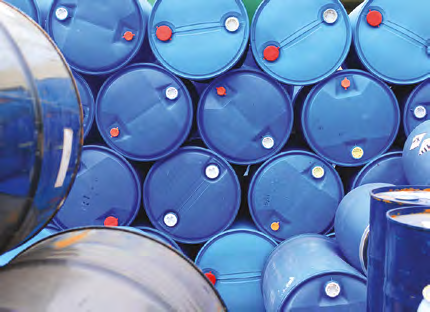
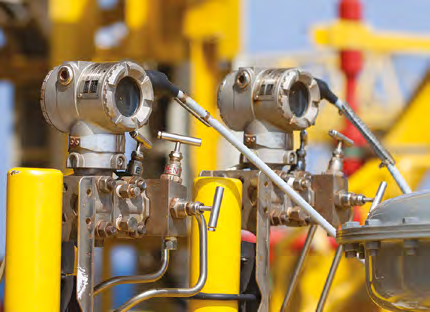
Chemicals and technologies for well completion after drilling and well stimulation after hydro-fracturing
Acidic stimulation. Production wells. Flow diverters
One of the main methods of the stimulation of oil and gas recovery is acidizing in production wells. Conventionally HCl-based acid stimulation fluids are used for this purpose. The treatment of this kind provides permeability improvement and formation stimulation due to the forming of high-conductivity pathways.
In the conditions of high water-cut of produced fluids especially at the mature fields to increase the efficiency of acidizing jobs it is recommended to apply some flow diverting chemicals in the process of acidizing.


Chemicals and technologies for acid stimulation in production wells
Acidic stimulation. Injection wells
Injectivity degradation in injection well is connected with the pay zone colmatation with organic and non-organic impurities contained in the water being injected. Among the methods of improving of well injectivity the leading position belongs to the processes of complex chemical treatment of near-wellbore formation.

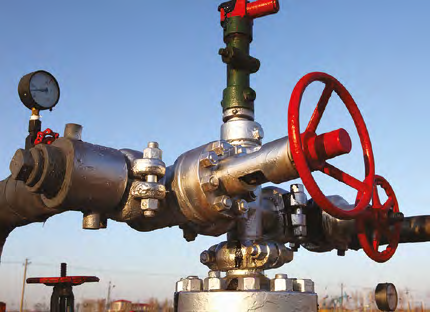
Chemicals and technologies for improving and enhancing the injectivity of injection wells
Complex Modifiers for Making and Additives for Improving of Acid Stimulation Fluids
Along with the ready-to-use and concentrated acid fluids for stimulation of injection and production wells Polyex company offers the range of specialized additives: basic acid modifiers, specific acid stimulation fluid modifiers and corrosion inhibitors, which allow to prepare high quality HCl-based acid stimulation fluids at well site or in the conditions of a mud room, as well as to improve the performance of acid fluids for well stimulation.
Basic acid modifiers allow to solve the problems of making acid stimulation fluids both for production and for injection wells close to the objects to be treated. Adding of such modifiers to the acid helps to reduce the interfacial tension at the “spent acid oil” boundary, and facilitates the penetration of the active acid into the pore space, slows down the reaction rate of the acid with the rock. When inducing feed-in the use of the modifying additives facilitates more complete removal of the neutralized acid from the formation.
Specific acid stimulation fluid modifiers may be added both at the stage of making of acid stimulation fluids and into the ready-made acid stimulation fluids with the purpose of solving the problems of acid treatment in complicated conditions.
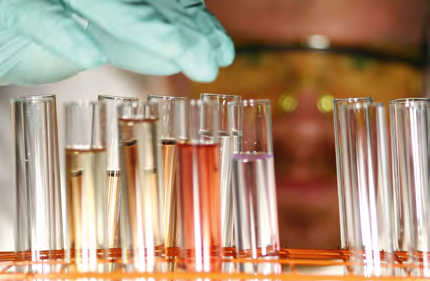
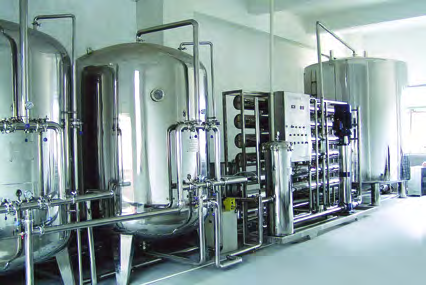
Chemicals for preparing acidic composition with the use of modifiers
Acid Package for HCl Stimulation Operations
R & D team of Polyex has developed an acid package designed to make a stimulation fluid based on hydrochloric acid, including the one available at the customer’s. This stimulation fluid may be tailor-made so that to be the optimal and the most efficient for the treatment of particular production wells, including the ones with complicated geological conditions and the ones producing oils poorly compatible with acids.
Correct selection of the ratio of acid package components allows to optimize the content of surfactants, antisludge additives, HCl corrosion inhibitor, acid retardant, demulsifier, iron control agent, etc. in the finished stimulation fluid.
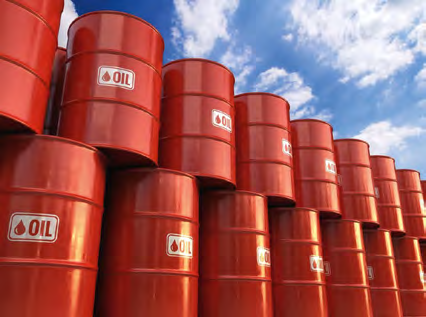

Chemicals for making acid based stimulation fluids
Enhanced Oil Recovery
The problem of water cut of produced fluids and the growth of costs for the utilization of produced waters become the most acute at the late development of mature fields. The existence of effective solutions for water shut-off, for redirection of filtration flows and for conformance control (i.e. changing the profile of the injectivity of wells) can extend significantly the period of cost-effective operation of oil and gas wells.
However, in conditions of rapid depletion of hydrocarbon reserves, the value of technologies aimed at improving the HC recovery factor. Active implementation of polymer flooding, surfactant-polymer flooding and alkali-surfactant-polymer flooding technologies both at the stage of applying tertiary oil recovery enhancement methods and from the very beginning of field development can improve significantly oil recovery factor.
The use of polymers in flooding technologies allows increasing the sweep efficiency and changing the water/oil mobility ratio.


Chemicals and technologies for decreasing the water cut of produced fluids for conformance control in injection wells and for redirecting of filtration flows
Removing And Preventing of Asphalt, Resin And Paraffin Deposits And Oil Viscosity Reducing
Forming of asphalt, resin and paraffin deposits leads to well production rate decrease, premature failure of expensive equipment and additional well servicing. Polyex company offers the range of chemicals for removing asphalt, resin and paraffin deposits and for preventing of their forming.
During the production of heavy oils the increase in pressure in pipeline equipment may be observed. Strong pressure differences between the tubing base and the wellhead cause deformation of the pumps and constrains oil production. Thus, the production of heavy oils also leads to equipment failure. Periodic cleaning of the equipment is necessary because of the formation of paraffin plugs. To reduce the pour point of oils and improve their rheological properties some viscosity reducers, pour point depressants, are used.
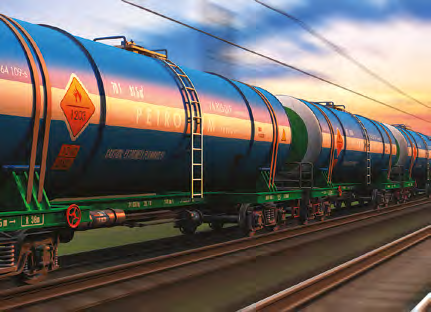
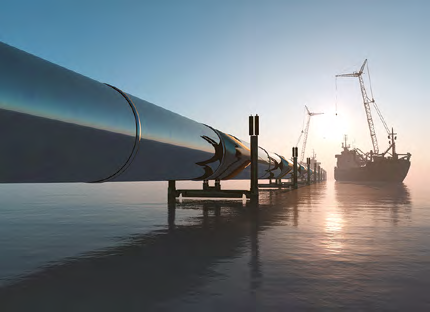
Chemicals and technologies for removing and preventing of asphalt, resin and paraffin deposits, oil viscosity reducing
Chemicals for Oil Treatment
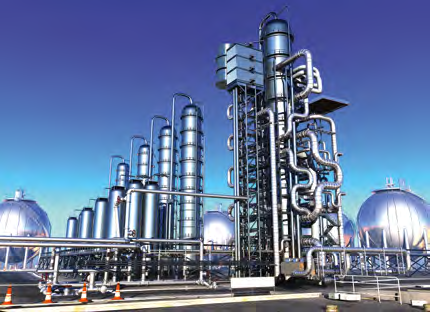
Oil treatment in the oilfields is an integral part of the main processes associated with the extraction, gathering and transportation of commercial oil. The quality of the produced crude oil affects both the efficiency and the reliability of the operation of the main pipeline transport, and the quality of the products obtained from this oil in oil refineries. At the later stages of oil field development, the water cut of produced oil increases substantially and may reach 90% or even more. The presence of a great number of mineral salts, resins, paraffin, and mechanical impurities in the produced fluids, which may act as emulsifiers, also contributes to the forming of stable water-oil emulsions. As a result, produced oil does not meet the industry quality standard for the product (for water content, chloride salts content, etc.). Repeated cycles of oil treatment lead to the additional costs. The solution of this problem is the use of highly effective demulsifiers.
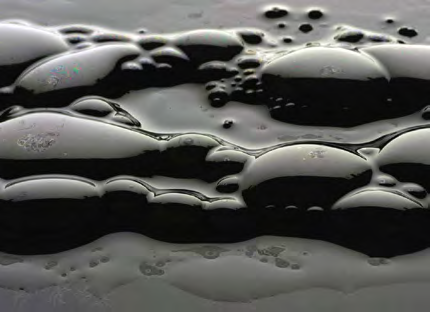
Chemicals and technologies for the breaking of water-oil emulsions
Removing And Preventing of Scale Deposits
Forming of mineral sediment deposits or so called scale deposits is a serious problem in oil and gas industry. Even within one day of exploitation the water, which passes through the pay zone of the well, the production string and the oilfield equipment may contain hundreds of kilograms of dissolved salt ions. Pressure fluctuation and temperature variation during the production process promotes solid scale forming.
Formed in this way solids, calcium sulfates and carbonates, strontium sulfates and barium sulfates in particular, are characterized with the property of surface bond especially with metals. Solid mineral scale deposits inside the pump and compressor equipment lower the fluid flow and thus lead to the decrease in oil production. Scale removing may be a very complicated and expensive operation. Polyex offers chemical solutions for removing and preventing scale deposits.


Chemicals and technologies for removing and preventing of scale deposits
Anticorrosive Protection
Corrosion is a very severe problem in oil and gas fields, as many stages of technological processes imply the use of water either invading from geological formation or injected through the reservoir pressure maintenance system (RPMS). Casing pipes, ground pipelines, pressure tanks and storage tanks suffer from internal corrosion increased by the presence of carbon dioxide and hydrogen sulfide, and sometimes the presence of oxygen in the injected water.
Losses connected with corrosion damages in oil-&-gas industry including the costs connected with premature failure of the equipment, its replacement, operating losses and environment protection costs are estimated as billions of dollars. This has prompted the experts to research the options of extending the service life and reliable operation of equipment while ensuring the continuity of the production cycle and controlling the corrosion risks.
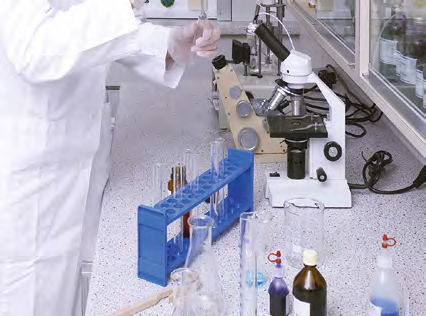
This problem to a great extent can be solved with the application of corrosion inhibitors. To control corrosion rate the company of Polyex offers both its own chemicals and the chemicals worked out by the company of ARKEMA FRANCE, France.

Chemicals and technologies for anticorrosive protection
H2S Scavengers
One of the most serious problems of oil and gas producing and refining companies is the contamination of products with hydrogen sulfide and light mercaptans. Hydrogen sulfide is an explosive and toxic substance, poisoning with which can cause serious damages to respiratory system and nervous system, and in increased in concentration it may even cause death. High corrosiveness of hydrogen causes the failure of equipment and pipelines.
Therefore, hydrogen sulfide control is one of the key safety issues for the operation of oil and gas production and processing facilities. Such solutions for this issue as alkaline washing, oxidation, hydrotreating, and blowing off followed by absorption cleaning are economically viable only at high concentrations of hydrogen sulfide and require large capital expenditures. When the concentrations of hydrogen sulfide are of moderate level of or the object of purification is a complicated one, for example, heavy fuel oil, the most effective solution is to use chemical cleaning methods, that is the use of hydrogen sulfide scavengers (neutralizers). This type of chemicals, when reacting with hydrogen sulfide, binds it irreversibly to form some inert and non-volatile compounds, minimizing its negative impact.